Elevate Your Adventure: A Comprehensive Checklist of 15+ Things for Hiking in Taiwan
Before you set off on your Taiwan hiking adventure, this is a must-read guide to ensure a safe and enjoyable
experience based on my 7+ years of hiking experience in Taiwan.

Some of the things mentioned here contradict the wilderness survival skills in your home country. However,
Taiwan's climate and rugged terrain cast different dangers beyond people's control and imagination.
You will find more details about those things under each section.
Disclaimer:
All content is for inspiration only. Use Taiwan Hikes' suggestions at your own risk. We are not responsible for any losses, injuries, or damages.
All content is for inspiration only. Use Taiwan Hikes' suggestions at your own risk. We are not responsible for any losses, injuries, or damages.
Table of Contents:
- Weather: It Can Be Hot and Cold on the Trails in Taiwan.
- Safety: Don't Follow Streams/Rivers When Lost in the Mountains (Important!).
- Terrain: Not All 100 Peaks Are Difficult, but Trails Near Cities Can Be Surprisingly Challenging.
- Clothing and Gear: - Raincoats and Rain Pants Are Backpack Essentials, Plus Sun Protection.
- Culture and Regulations: Wild Camping and Campfires Are Prohibited in National Parks.
Weather
The weather in Taiwan might be more complicated than you thought.
1. Expect Humid and Hot Weather Even in the High Mountains. Always Check the Weather Forecast.
Taiwan's tropical climate means high humidity, especially in the summer. But don't let that deter you! Even
during the warmer months, you can still enjoy the mountains by heading to higher elevations where the air is
cooler and more refreshing.

2. Rain, Drizzles, Thundershowers, and Typhoons Are Common in the Mountains, Especially in Summer.
Summer is typhoon season in Taiwan. Typhoons might not always make landfall, but they can still trigger
landslides and disrupt access to trailheads. After typhoons pass, the southwest monsoon, known as habagat, can
bring heavy rains.
3. The Summits of High Mountains Can Be Chilly, Despite Taiwan's Tropical Climate.
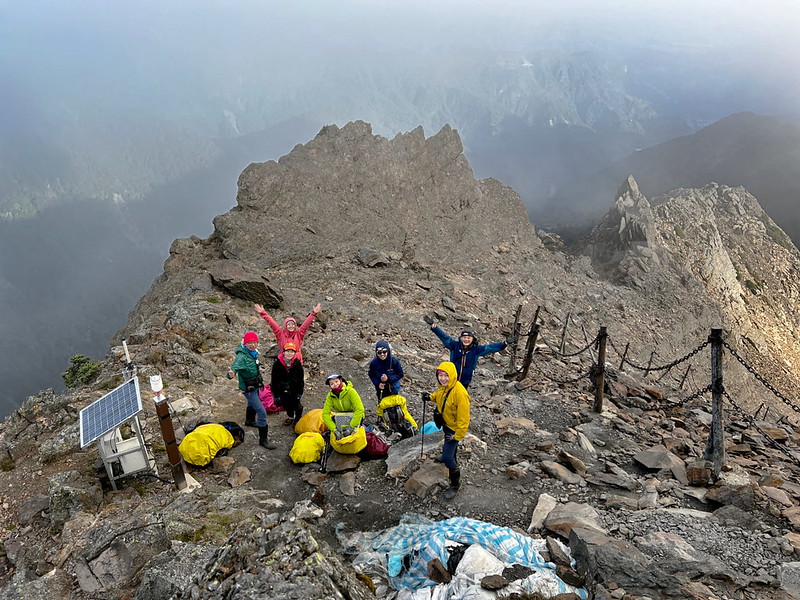
According to Britannica, the average lapse rate (the rate at which air temperature falls with
increasing altitude) is about 6.5 °C per 1,000 meters or (3.5 °F per 1,000 feet). So, when hiking above 3,000
meters (9,842 feet) in Taiwan, it can be nearly 20 degrees cooler than the surface. For example, Jade
Mountain, at 3,952 meters (12,966 feet), can be a whopping 26 degrees cooler, and the wind can be quite strong
up there.

4. When A Sea Warning for A Typhoon Is Issued, All Hiking Permits Will Be Revoked.
When the Central Weather Administration issues a sea warning for a typhoon, all
national parks in Taiwan will close the trails immediately, and all permits are canceled. Please check the
national parks' Facebook pages for the updates.
- Yushan National Park Facebook page
- Taroko National Park Facebook page
- 雪霸國家公園登山資訊分享站 Shei-Pa National Park Climbing Forums
Always check the weather and whether the trails are open
before your hike.
Safety
When hiking in Taiwan, safety is paramount. Don't risk getting lost on the trails. Do your homework, plan, and
follow these guidelines:
5. Emergency Number in Taiwan: 112 and 119

6. Don't Follow Streams/Rivers When Lost in Taiwan (Important!).
If you ever find yourself off course, remember this golden rule: Do NOT follow streams or rivers.
Instead, stay put, and people will find you. You can find more details in my post on what to do when lost on Taiwan's trails.
7. Altitude Sickness Can Happen to Anyone, Whether You Are a Seasoned or New Hiker.
Altitude sickness can affect anyone, experienced or not, especially above 2,500
meters (8,202 feet). Symptoms like headaches, nausea, pneumonia, and fatigue can be severe, even fatal. To
prevent it, ascend gradually, stay hydrated, and acclimatize properly. If symptoms persist or even get worse,
descend immediately to lower altitudes. It's a must-know for a safer hike.
One of my hiking guides told me that she had hiked to Jade Mountain almost ten times but still suffered nausea
and dizziness and puked at Paiyun Lodge.
8. Google Maps Is NOT a Hiking Map.
Get a dedicated hiking app that works offline to navigate trails effectively.
9. Trail Labels Help, but Don't Rely Solely on Them.
You will find trail labels to help you navigate in the woods. Many volunteer hikers clean up the trails and
put marks on the trails from time to time. However, you SHOULD NOT rely solely on those labels and have a map
or GPS.

10. Always Let Someone Know Your Hiking Plans in Taiwan.
Before setting off, let someone know your hiking plans in Taiwan, including your return time. They can
call for help if you're late and get to you as fast as possible. It's a universal safety practice, no matter
where you're from.
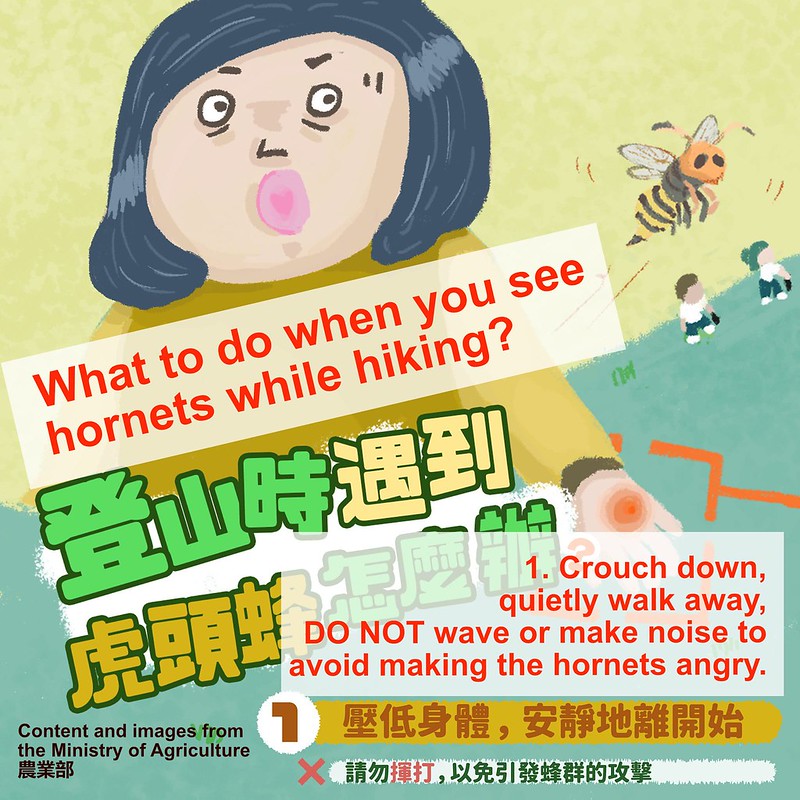
11. Wasps and Hornets Can Be Lethal.
While Taiwan's trails offer stunning beauty, watch out for wasps and hornets. These buzzing insects can be
more than just a nuisance; their stings can pack quite a punch! It's wise to carry insect repellent and stay
cautious and quiet around their nests to ensure a safe and enjoyable hike. According to BBC News, don't wave your
arms around or swat at wasps but remain calm and move away slowly.
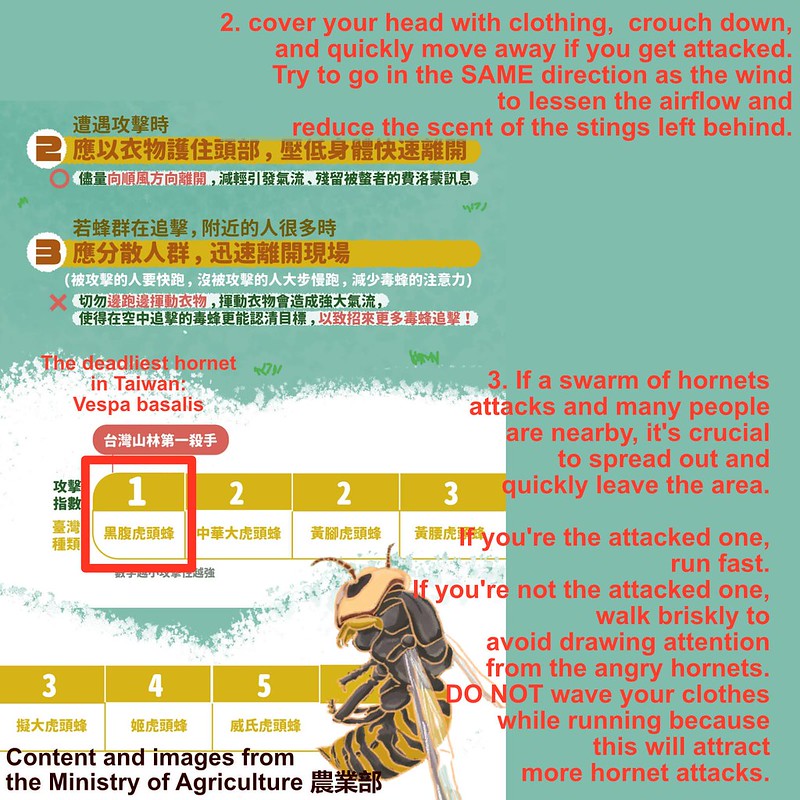
However, some suggest it's best to retrace your steps back the same way you came during the hornet attacks.
It's hard to gauge the wind direction, and returning the same path ensures safety, as you'd know there were no
hornets.
When I was updating this content, a deadly hornet attack happened in Ruifan, New Taipei City, causing two deaths.
You can read this post written by an Irish hiker, Mark Roche, who has hiked all 100 Peaks in Taiwan. He shared
his knowledge about the hidden dangers on Taiwan's trails.
Terrain
When it comes to hiking in Taiwan, here's what you need to know about the terrain:
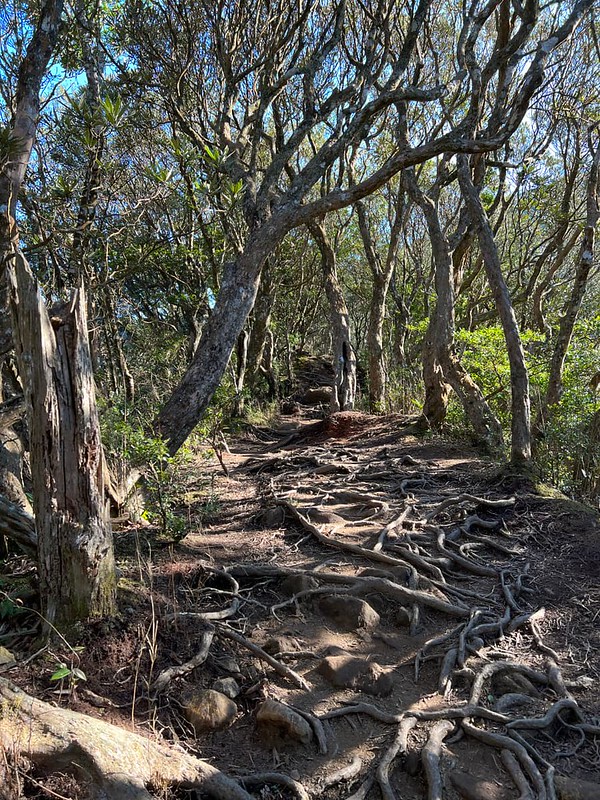
12. GPS Maps on Your Phone Are Essential, but Topographic Maps Can Still Be Tricky.
Make sure to have GPS maps on your phone. Even though topographic maps are helpful, the terrain here can be
quite tricky, with subtle changes that may not always be accurately represented on these maps. It's something
I've learned through my own experiences.
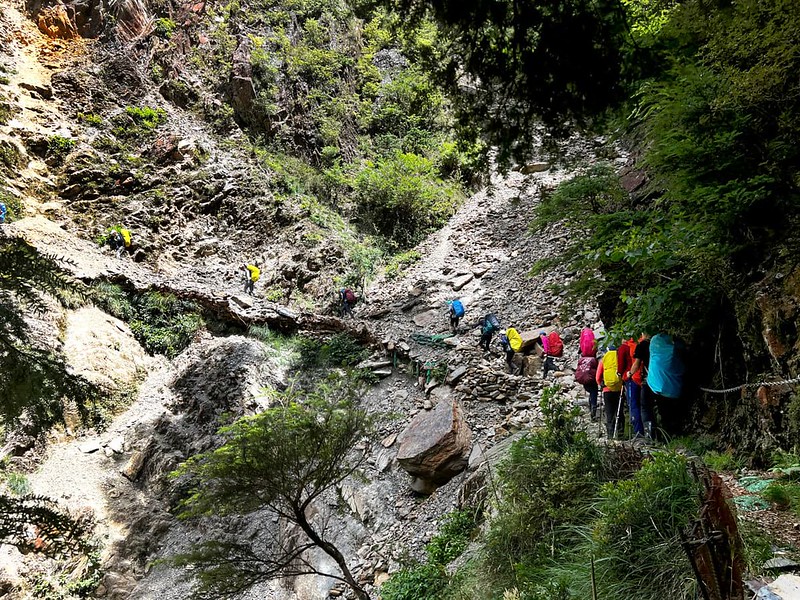
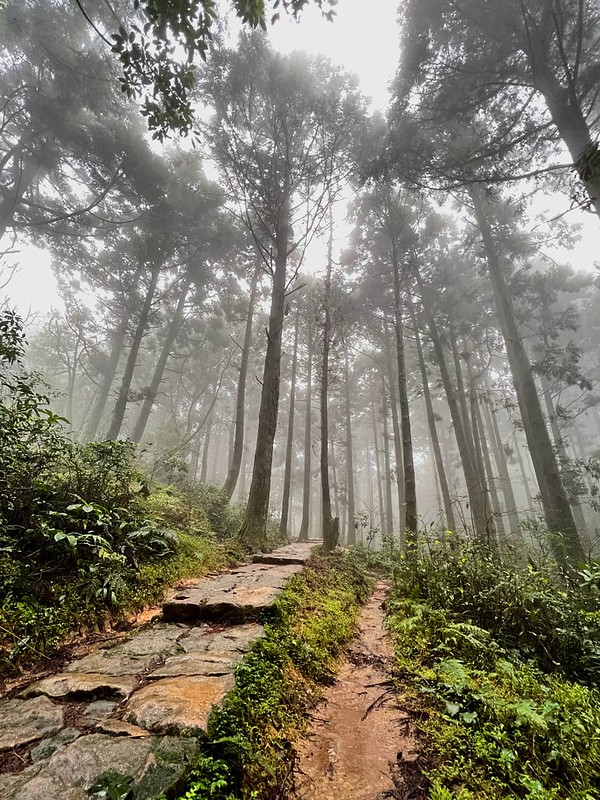
13. Government-maintained Trails Often Have Stone or Plank Steps, Which Can Be Slippery.
Many government-maintained trails feature stone or plank steps, like trails at Yangmingshan National Park. Due to Taiwan's humid
weather, these steps can be perpetually damp and slippery.
14. Not All 100 Peaks Are Difficult, but Trails Near Cities Can Be Surprisingly Challenging.
Taiwan has several categories of trails: 100 Peaks, Mid-level Mountains, Minor 100 Peaks, and trails near the
cities. Each type has its own difficulty levels, and even local Taiwanese got fooled by the labels and ended
up getting lost or in trouble.
On the contrary, the trails of the 100 Peaks are easy to navigate and appropriately marked by the national
park. Yet, having a map or hiking app is a must, no matter how well the trails are marked.

15. Distance on Trails May Not Reflect Difficulty.
Don't gauge difficulty solely by trail distance. It is common to hike 25 km (15 miles) or more in some
countries in one day. However, the length of the trails can't reflect how long it will take to finish. It will
take less for seasoned hikers but may take twice as long for new hikers, especially those who have never hiked
in Taiwan before.
You can use time estimates from trail apps on the trails. Therefore, please fully understand how to use your
hiking app before you go.
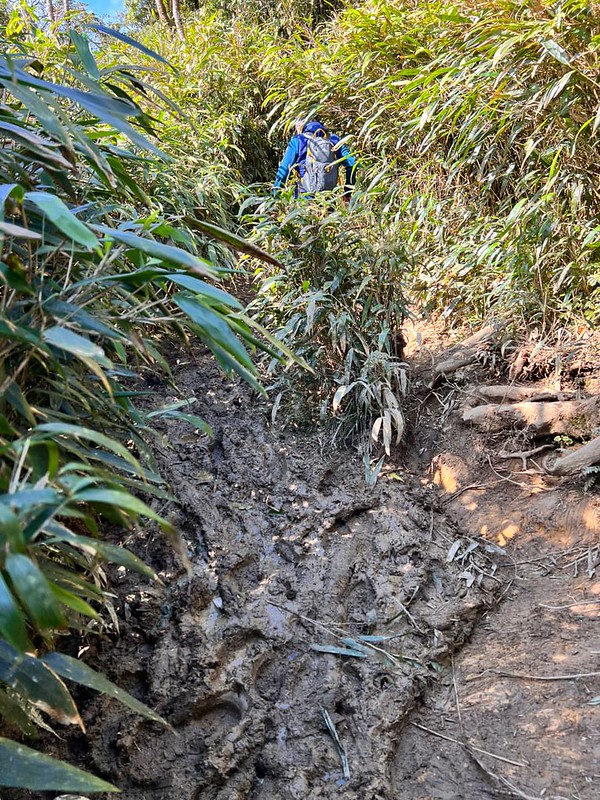
16. Trails Can Get Muddy. Rain Boots Might Be Your Best Friend.
Don't be surprised to see Taiwanese hikers in rainboots or wellies to hike. While they might not be as
comfortable as hiking boots, they make life easier on these trails.
17. Expect Leeches, Especially After Rain.
Yes, you might encounter leeches, but don't be too alarmed. Taiwan's leeches are smaller and friendlier than
you'd expect. I've been stung by horseflies, wasps, biting midges, and other things that I can't remember, and
I can tell you leeches are the friendliest ones among all.
Snakes and spider webs are also common on the trails in Taiwan. Ticks are not new on the trails in
Taiwan, either.
Clothing and Gear
When gearing up for a hike in Taiwan, here's what I recommend:
18. Long Shirts and Pants Are Recommended No Matter How Hot It Is.
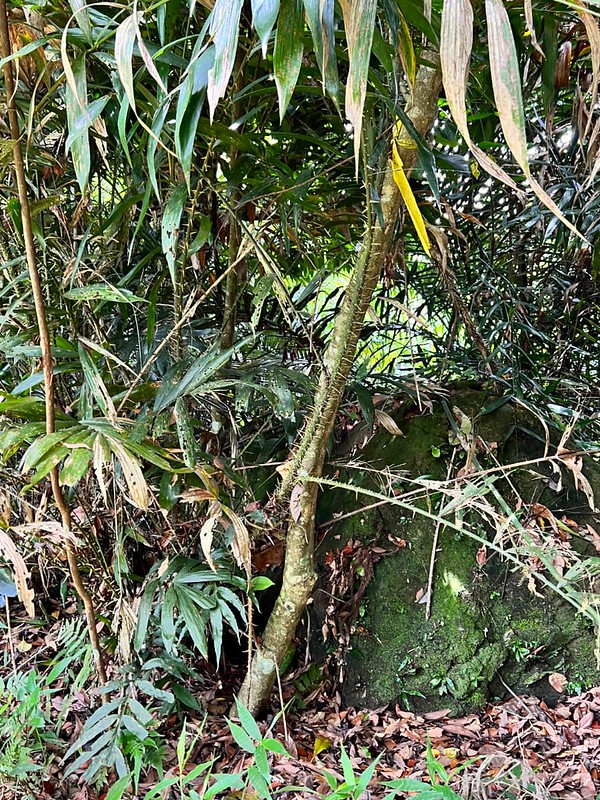
Even in the heat, it's wise to wear long sleeves and pants. The unforgiving sun and prickly plants can make
shorts a regrettable choice. I learned this the hard way with torn pants. Plus, it helps guard against pesky
plants like stinging nettles.
19. Sun Protection and Insect Repellent Are Essential, Even in High Mountains or in Winter.
Protect yourself from the sun and bugs, regardless of altitude or season.
20. Bring a Pair of Gloves.
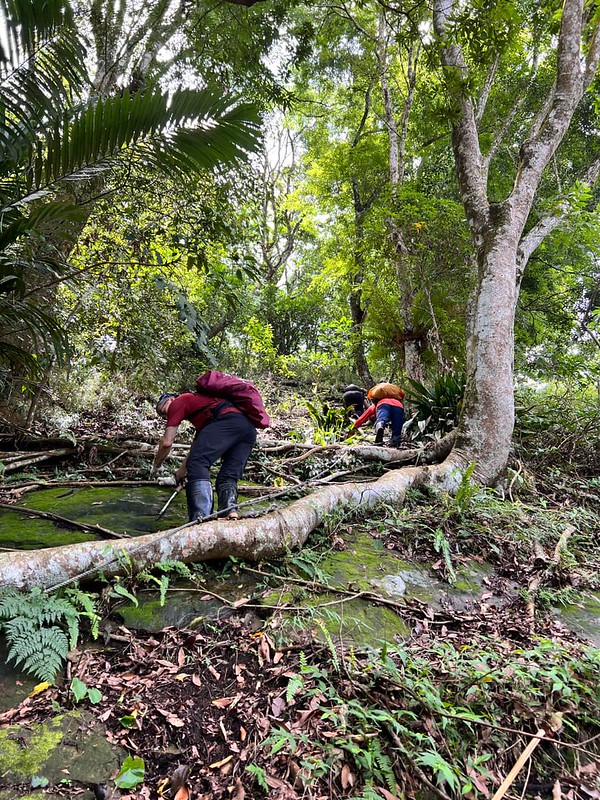
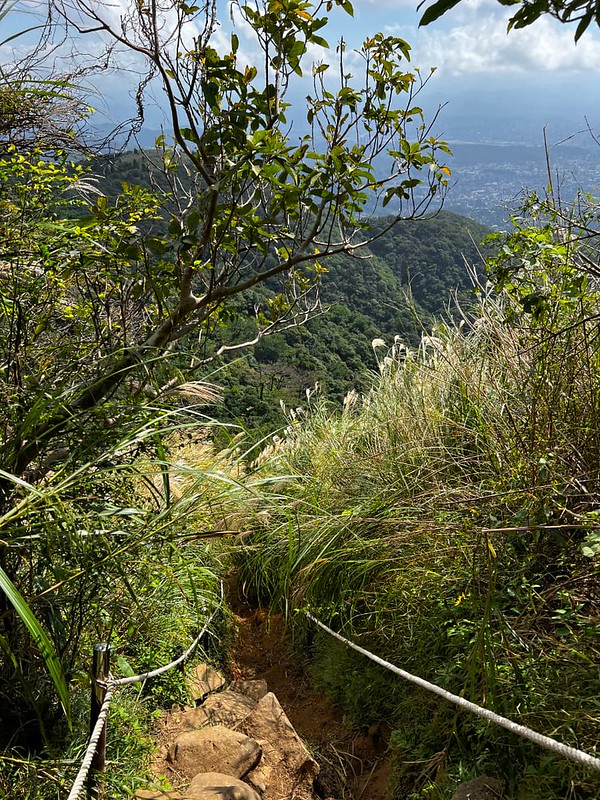
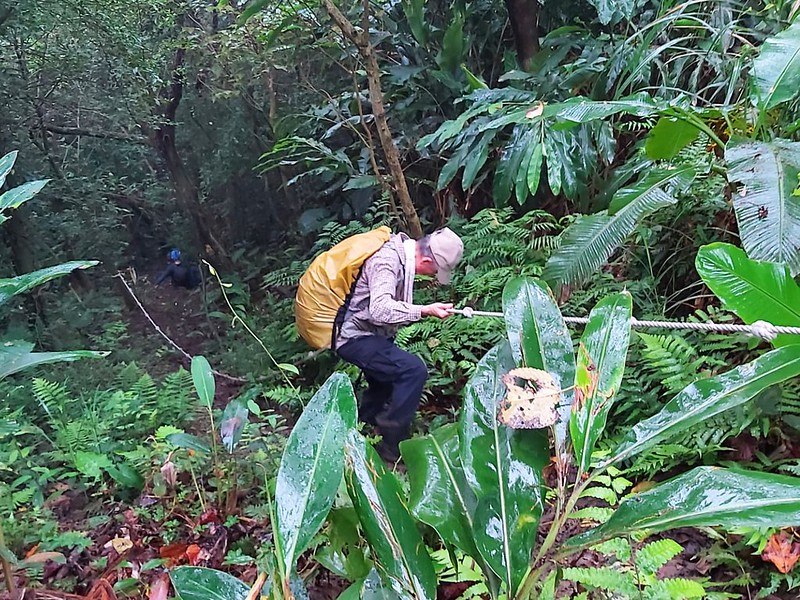
Many volunteer hikers maintain hiking trails in Taiwan and set up ropes on steep slopes to help them climb.
Thus, wearing gloves will help you prevent getting a rope burn.
21. Carry a Headlamp.
This is essential when hiking in Taiwan. I will also bring extra batteries, just in case.
22. Rain Jacket and Rain Pants Are Backpack Essentials.
Given Taiwan's unpredictable weather, packing a rain jacket and pants is a smart move to stay dry on the
trail.

Culture and Regulations
23. Hiking Regulations in Taiwan and How to Avoid Fines
24. Names and Translations Can Be Confusing.
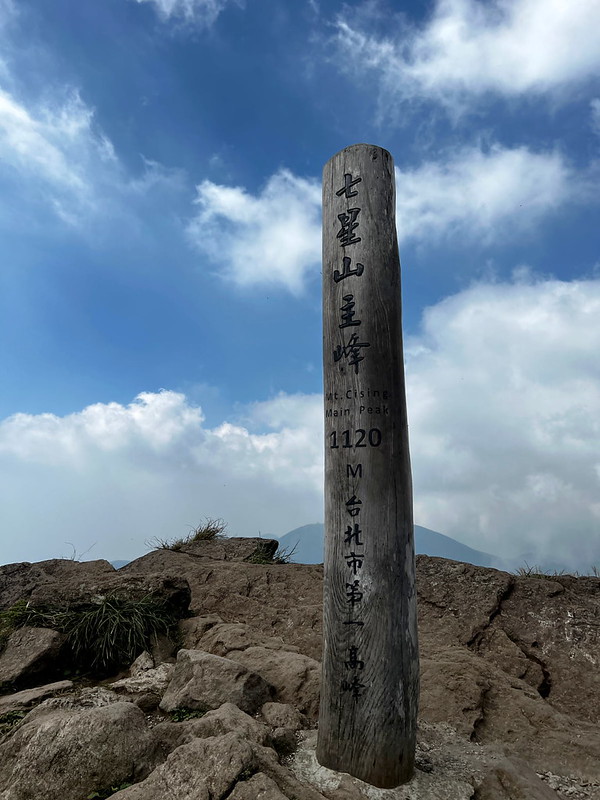
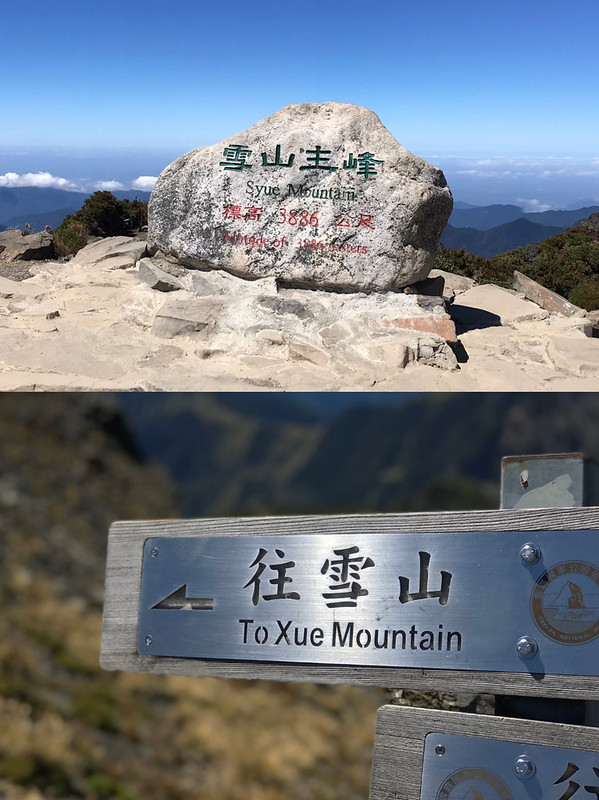
You will encounter different versions of English names for the same mountains. For example, the sign you see
at the peak of Mt. Qixing is actually Cising. The government's official websites even use different names,
too. Welcome to Taiwan.
25. Don't Step on Triangulation Stones.
Most Triangulation Stones were built during the Japanese Occupation and can be over 100 years old. They have
become part of the mountains. We show our respect by touching them gently. So, please don't stand on those
stones when you see them. Some local hikers react strongly if they see people stepping on those stones.

26. Wild Camping and Campfires Are Prohibited in National Parks.
National parks have designated camping areas and strict stove rules to protect the environment. Using a stove is not even allowed at the Yangmingshan
National Park.
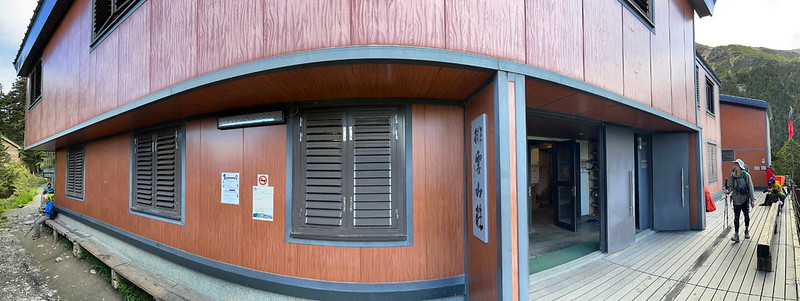
These are the most popular cabins to apply for in Taiwan: Paiyun Lodge at Jade Mountain, Sanliujiu Lodge (now under
renovation) at Xueshan, Tianchi Lodge at Qilai Nanhua, Jiujiu Lodge
at Mt. Dabajian, and Jiaming Lake Cabin at Jiaming Lake.
27. Local Hikers Are Friendly, Sometimes Overly So.
Many Taiwanese hikers enjoy sharing food and fruits with fellow hikers on the trails (and some even don't take
No for an answer.) They are also surprised to see foreigners on the trails in Taiwan. So, they might share
food with you and even ask you to take photos with them.
28. The Average Age of Taiwanese Hikers Tend to Be Older.
Many years ago, hiking once was deemed an “old people” activity because Taiwanese retirees started hiking to
maintain their health and stay fit. After COVID-19 stranded people, younger generations are exploring
mountains more now.
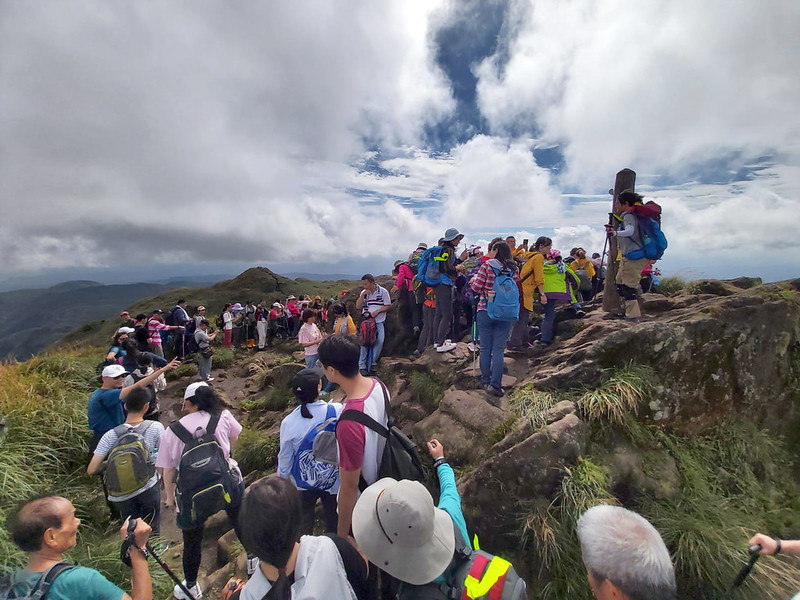
29. Expect Crowds on Trails and Peaks, Especially on Weekends or Holidays.
Taking photos and group photos is a big thing in Taiwan. Expect a long queue if you hike the well-known
mountains on the weekends and holidays.
30. Mountain Bagging, Especially the 100 Peaks, Is a Big Deal.
In Taiwan, mountain bagging, particularly the pursuit of the 100 Peaks, is a widely encouraged and passionate
endeavor. It's akin to a cultural phenomenon, where hikers seek to conquer these majestic summits as a mark of
personal achievement (or something to brag about.)

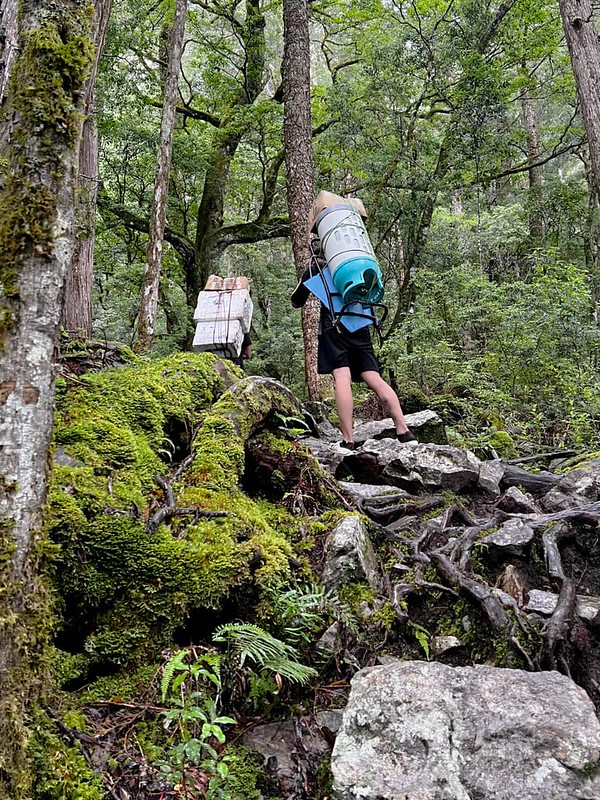
31. Hiring On-site Catering Service Is Common.
Many hikers book on-site catering service so they don't have to carry meals, tents, and sleeping bags when
doing the 100 Peaks hikes. You might encounter hikers who have bagged 100 Peaks but still don't know how to
use a stove, pitch a tent, or read the maps.
If you need porters to carry your own gear, they charge based on weight and the price varies depending on
where you want to hike.
32. Group Hikes Are Popular in Taiwan.
You can find all kinds of hiking groups in Taiwan. Most hiking groups in Taipei are non-profit associations
and offer free and paid guided hiking trips, while hiking associations in other cities or counties offer paid
trips due to the lack of access to public transport.

Solo hikes are not encouraged in Taiwan, but I still do it. Whether you hike with a group or alone, doing
research, having a map, and well preparation are the keys to ensuring a safe and great trip (whether you hike
in Taiwan or other countries.)
33. Queuing at the peak to take photos with the triangulation stones is typical.
Queuing at the peak to take photos with the triangulation stones is typical.
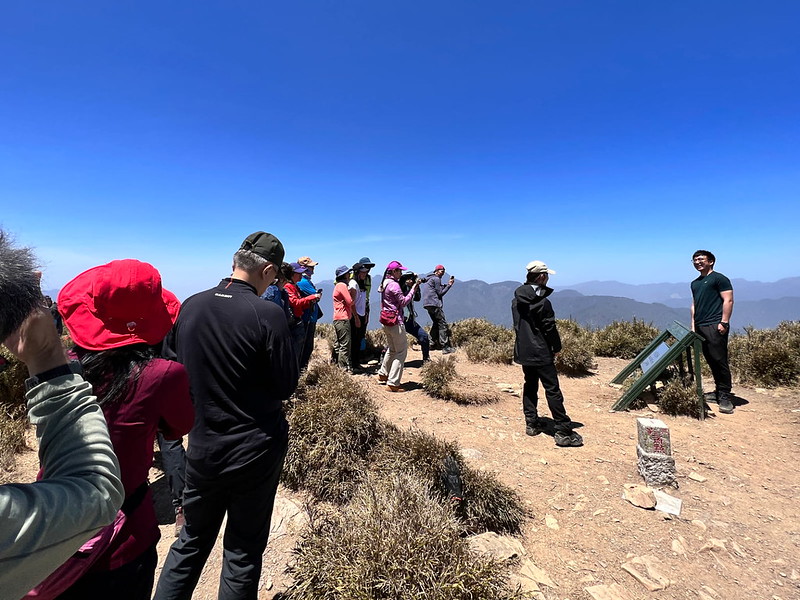
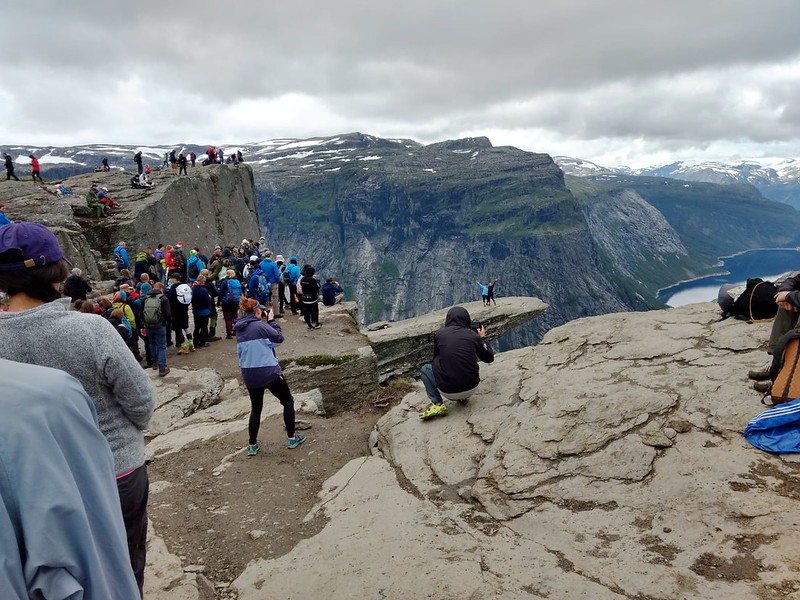
When I hiked to Trolltunga in Norway, I also had to queue for 30 minutes.